

If you are considering PRP, you are asking the right question. Most patients searching for the downsides of PRP are deciding whether it is right for them, and an honest answer requires acknowledging real downsides without sweeping them under the marketing rug. At Solutions Regenerative Medicine in the East Valley, Arizona, Dr. Mareshah Dunning, NMD believes patients deserve the same straight conversation about risks and trade-offs that they would get from any other thoughtful medical recommendation.
Some downsides of PRP are inherent to the treatment itself, such as cost and the time it takes for results. Others are signs of a poorly done procedure rather than PRP failing on its own. This article separates the two so you can make an informed decision.
Is PRP Worth the Cost?
PRP is generally not covered by insurance or Medicare because it is classified as an elective regenerative therapy, which means patients pay out of pocket. A single session typically costs between several hundred and several thousand dollars depending on the joint or tissue being treated, the volume needed, and the number of injections in the planned course.
For knee osteoarthritis, the published research supports a treatment course of 1 to 3 injections depending on your goals, the dose per injection, and how durable you want the relief to be. A single high-dose injection has shown about 12 months of clinical benefit, while a series of 2 to 3 injections has shown up to 24 months of durability. The honest comparison is not PRP vs nothing. It is PRP vs the alternatives. A 2-year course of repeat cortisone injections, the costs and recovery time of surgery, or years of ongoing physical therapy and medication management often run higher in total cost and risk than a properly executed PRP course.
Solutions Regenerative Medicine discusses all costs transparently during your consultation. Health Savings Account funds can usually be applied, and superbills are available for you to submit to your insurer, though reimbursement is not guaranteed.
What Are the Side Effects of PRP?
Because PRP is made from your own blood, the risk of allergic reaction or rejection is essentially zero. The procedure does carry some side effects, most of which are minor and self-limiting.
Common (most patients experience some)
- Bruising and swelling. At the blood-draw site and the injection site, typically resolves within 3 to 7 days.
- Soreness at the injection site. Common for the first 1 to 3 days as the tissue responds to the injection.
- Post-injection flare. A temporary inflammatory response as the body initiates the healing cascade. Typically lasts 2 to 3 days but can persist up to 7 to 10 days in some patients. This is part of how PRP works, not a sign that something is wrong. Ice, rest, and acetaminophen (not NSAIDs) help manage it.
Less common but real
- Minor bleeding at the draw and injection sites is normal. More significant bleeding risk is reduced by stopping blood-thinning medications and supplements before the procedure (see the lifestyle section below).
- Tissue damage from needle placement. Inadvertent injury to nerves, blood vessels, or other structures during placement of the needle. The risk is significantly reduced when injections are placed under real-time ultrasound or fluoroscopic guidance, which is why Dr. Dunning uses image guidance for every PRP injection.
Rare
- As with any injection, there is a small risk of infection if the site is not kept clean post-procedure. Sterile technique during the injection makes this very uncommon.
- Persistent nerve irritation. Very rare with image-guided placement. More common with blind injections that miss the target.
Who Should Not Get PRP?
PRP is not the right choice for every patient. The following are reasons to either delay the procedure, choose a different regenerative option, or skip regenerative injections altogether.
Active blood thinners
Patients on warfarin, apixaban, clopidogrel, or similar pharmacological anticoagulants are evaluated individually based on the type of injection planned. For many peripheral joint and soft tissue procedures, established American Society of Regional Anesthesia (ASRA) guidelines support continuing blood thinners safely through the injection. For higher-complexity or higher-bleeding-risk procedures, the medication may need to be briefly held with coordination from your prescribing provider. The decision is made together with you and your prescriber based on the specific case.
Active infection
Any active infection, especially at or near the planned injection site, is a temporary contraindication. The injection is deferred until the infection has cleared.
Active cancer or recent cancer treatment
PRP delivers concentrated growth factors that signal cell proliferation. In the setting of active malignancy or recent cancer treatment, growth-factor-rich preparations are generally not appropriate. PRP is typically deferred until the patient is in stable remission and has cleared the procedure with their oncology team.
Blood disorders
Conditions such as thrombocytopenia (low platelet count) or platelet function disorders limit what a PRP preparation can deliver. If baseline platelet count is significantly low, even an optimal preparation may not reach the dose threshold for clinical effect.
Recent surgical sites or recently operated fractures
Injecting PRP into a recently operated surgical bed, including a recently fixed fracture, increases infection risk and is generally avoided during the typical post-operative infection window. PRP for fracture healing is more appropriate in the chronic non-union setting, well after surgical hardware concerns have resolved.
Pregnancy
Data on PRP during pregnancy are limited, and most providers defer elective regenerative procedures until after delivery and breastfeeding. Individual decisions can be made in consultation with the patient’s obstetrician.
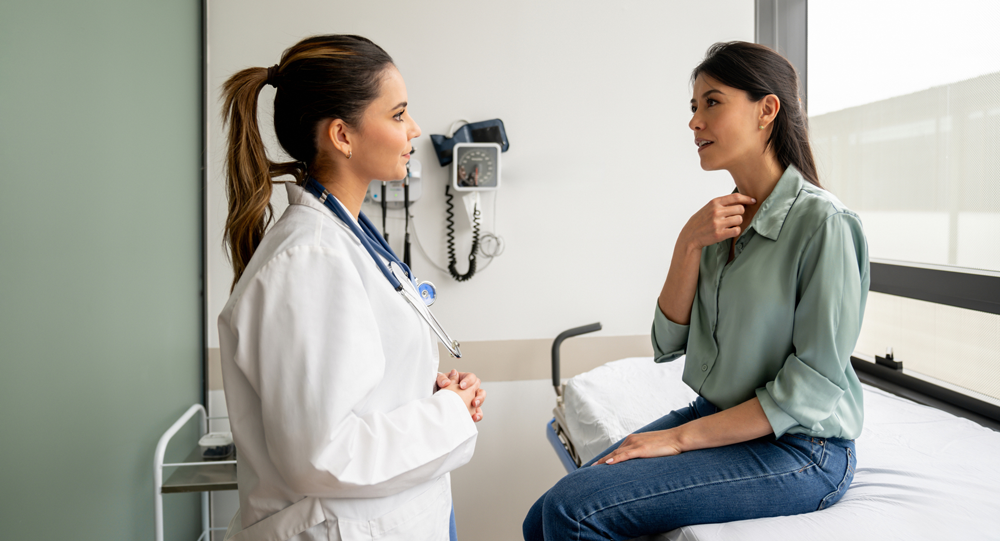
PRP for Patients with Autoimmune Conditions
Patients with rheumatoid arthritis, psoriatic arthritis, lupus, and other autoimmune conditions are some of the patients most interested in non-surgical options for their joint pain. Published research supports the use of PRP in select autoimmune patients, and it can be a meaningful option when used thoughtfully. The decision is more nuanced than for routine osteoarthritis and requires careful evaluation of disease activity, formulation choice, and timing.
As a naturopathic physician with training in interventional regenerative medicine, Dr. Dunning often manages autoimmune patients comprehensively and serves as the primary provider for their joint care. For complex cases or specific disease subsets, she collaborates with rheumatology as appropriate.
Active flare vs well-controlled disease
The single most important question for an autoimmune patient considering PRP is whether the disease is actively flaring or well-controlled. The published evidence supporting PRP in autoimmune patients is strongest when the disease is well-controlled, either through systemic therapy, comprehensive naturopathic management, or both.
In active disease, the joint environment is dominated by inflammation, destructive enzymes, and immune cells that work against tissue repair. PRP placed into this environment has its growth factor signal blunted and its scaffold degraded faster than it can do its job. The inflammatory cells in some preparations can also amplify rather than resolve the local environment. Active autoimmune flare is therefore a temporary deferral, not a permanent exclusion. Once disease activity calms, PRP can be reconsidered.
In well-controlled disease, the joint environment becomes more permissive to repair. For patients with residual mechanical joint pain despite good disease control, PRP can meaningfully support tissue repair with appropriate formulation choice and timing.
Why formulation matters more in autoimmune patients
Standard PRP can vary widely in white blood cell content, and not all white blood cells help with healing. Neutrophils release destructive enzymes that drive joint damage in conditions like rheumatoid arthritis. Adding inflammatory neutrophils to an RA joint works against the patient and may aggravate exactly the cells the patient is already trying to manage.
Dr. Dunning uses a neutrophil-depleted, monocyte-retaining preparation for every PRP injection. For autoimmune patients, this formulation choice is not just preferred. It is essential. The monocytes that remain in the preparation are the reparative immune cells that polarize into M2 macrophages and orchestrate tissue rebuilding, the opposite of what neutrophils do in autoimmune disease.
Why A2M is often the better first step
For autoimmune patients with active or recently active local inflammation, A2M (alpha-2-macroglobulin) is often a better first step than PRP. A2M is a naturally occurring protein in your plasma that acts as a broad-spectrum trap for the specific cytokines and enzymes driving autoimmune joint damage, including IL-1, IL-6, MMP-13, and the aggrecanases ADAMTS-4 and ADAMTS-5. These are the exact molecular drivers of synovitis and cartilage destruction in rheumatoid arthritis and related conditions.
Unlike PRP, A2M does not deliver concentrated cells into the joint. There are no platelets, monocytes, or other cells to potentially polarize toward more inflammation. The mechanism is enzyme trapping and cytokine neutralization, not cellular signaling. This makes A2M a cleaner first move when the joint environment is still inflammatory.
Dr. Dunning often uses a sequenced approach for autoimmune patients: A2M first to calm the local inflammatory environment, then PRP three to four weeks later if structural repair support is still needed. This treats the inflammatory phase and the repair phase with the right tool for each phase, rather than asking one preparation to do both jobs in the wrong order.
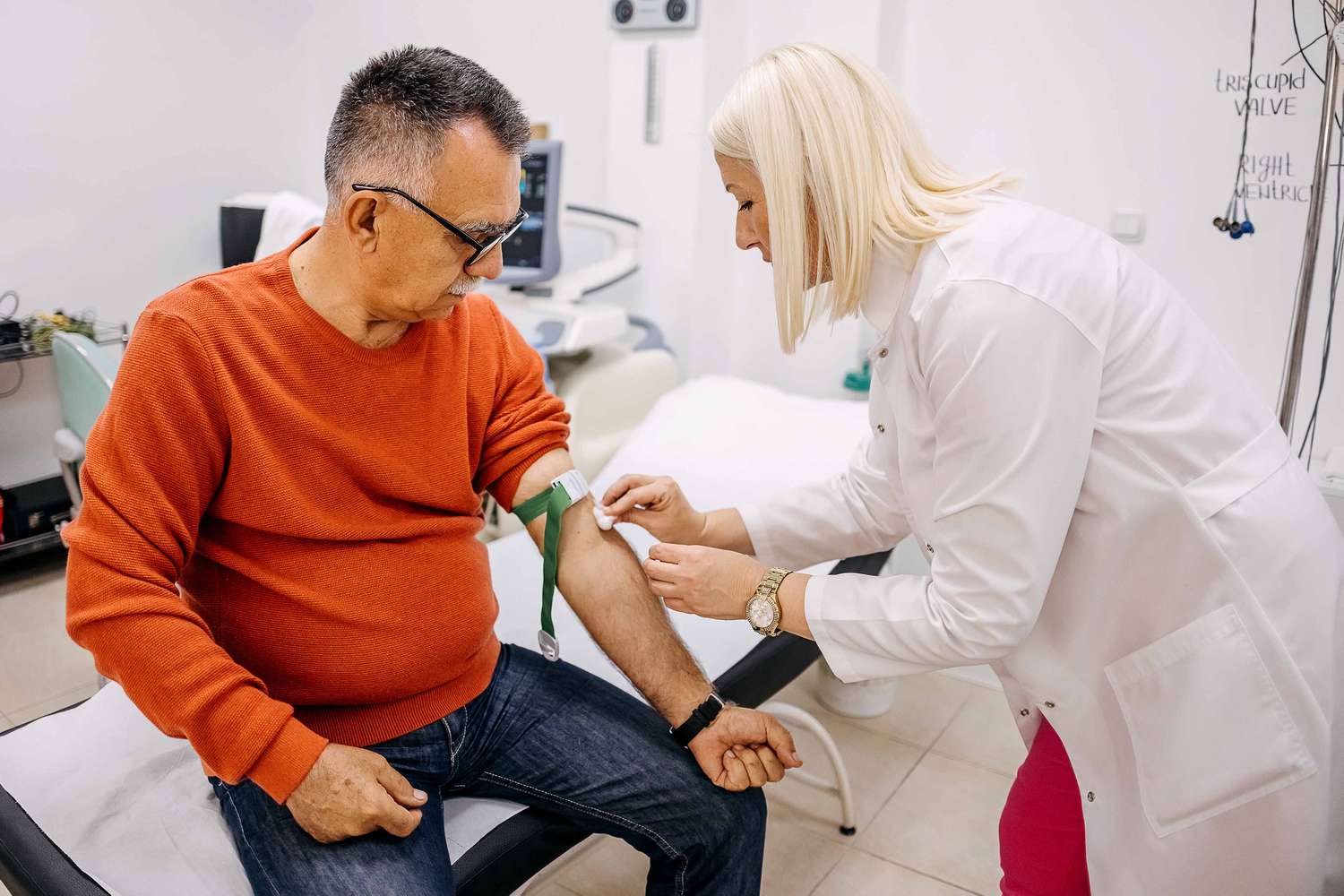
Common Lifestyle Limitations Before and After PRP
Optimizing the body for PRP requires temporarily stopping medications and supplements that either interfere with the healing pathways PRP delivers its repair signal into, or increase bleeding risk during the injection.
Stop NSAIDs before and after the procedure
Ibuprofen, naproxen, meloxicam, and similar NSAIDs block the COX-2 and prostaglandin signaling pathways that PRP delivers its repair signal into. Stopping them creates the cellular environment PRP needs to work. For patients who rely on daily NSAIDs for chronic pain, this pause can be a significant barrier to PRP. Acetaminophen is generally acceptable for breakthrough pain, and Dr. Dunning provides specific timing in your pre-procedure instructions.
Pause natural anti-inflammatory supplements when indicated by procedure
Several common natural anti-inflammatory supplements (such as fish oil, turmeric, ginkgo, and similar) have antiplatelet effects that can increase bleeding risk during certain injections. These supplements generally support the body’s healing pathway, so when they are paused, it is for the bleeding concern around higher-risk procedures, not because they harm healing. For many peripheral joint and soft tissue procedures, these supplements can be continued. Whether to pause depends on the complexity and bleeding risk of your specific case. Bringing your full medication and supplement list to your consultation lets Dr. Dunning give you a clear, personalized recommendation.
Early gentle movement, gradual pain-guided return to activity
After the injection, normal daily activities and gentle therapeutic movement (including isometric activation and range of motion) are encouraged starting on day one. Early gentle movement increases blood flow and immune activity, helps prevent joint stiffness and contractures, and can reduce the intensity of post-injection flares. From there, activity is gradually increased, letting pain and tolerance be your guide. Avoid jumping back into your full routine or trying activities you have not done before just because you feel good. Your tissues are still rebuilding strength, and a slow return supports the healing process. Dr. Dunning’s experience is that gradual, pain-guided movement supports healing more effectively than rest.
Patience
PRP is a healing process, not a quick fix. Most patients begin noticing improvement within 4 to 8 weeks, with peak benefit around 2 to 3 months. When properly dosed, the relief tends to be substantial: published research on a course of 1 to 3 injections for knee osteoarthritis shows clinical benefit at 12 months from a single high-dose injection and approximately 75% pain reduction at 12 months that holds at about 67% at 24 months from a 3-injection course, with gradual return toward baseline thereafter (Chu et al., 2022, DOI: 10.1007/s00167-022-06887-7). The lack of immediate relief can be frustrating for patients used to the rapid effect of cortisone, but the underlying tissue change is what produces durable results.
When PRP Might Not Be the Best First Option
PRP is a powerful tool, but it is not the right first tool for every situation. In these cases, Dr. Dunning often recommends a different regenerative option first, sometimes followed by PRP for the repair phase.
Very advanced cartilage loss (Kellgren-Lawrence grade 4)
In bone-on-bone arthritis, PRP can still help, with documented response rates around 50% in K-L grade 4 disease (Saita et al., 2021, DOI: 10.3390/jcm10194514). For patients who cannot or do not want to pursue surgery, PRP remains a meaningful option with realistic expectations. For patients open to a layered approach, combining PRP with donor tissue or micronized fat can provide additional cellular support for the advanced setting.
Recent surgery or post-operative areas
PRP is generally not used in the early post-operative window following any recent surgery in the area being treated, including joint surgery, fracture fixation, or other procedures. This applies both before and after the operation, while infection risk and surgical recovery are active. Outside the post-operative window, PRP can play a meaningful role in supporting healing of chronic non-union or delayed union fractures by delivering the angiogenic and growth factor signals that drive bone repair.
Active inflammatory autoimmune flare
In active rheumatoid arthritis, psoriatic arthritis, or similar inflammatory flares, A2M is typically a better first step. A2M traps the inflammatory cytokines (IL-1, IL-6, MMP-13) driving the flare. Once the inflammation has calmed, PRP can follow 3 to 4 weeks later to support the repair phase.
Unclear diagnosis
PRP only works when it reaches the tissue actually generating the pain. If the diagnosis is not clear, treating without proper workup may inject the right material into the wrong tissue. Dr. Dunning confirms the actual source of pain before any injection, using a combination of available imaging (including ultrasound when appropriate) and diagnostic injections to clarify the pain generator.
Downside Solutions
Many of the downsides above are not inherent to PRP itself. A comprehensive, individualized approach can avoid or reduce most of them. Here is what that looks like at Solutions Regenerative Medicine.
- Thorough screening for safety and efficacy. A comprehensive workup before any regenerative injection determines whether PRP is the right choice for you and identifies the factors that affect your response. Some clinics are more lenient in who they will provide certain injections for; Dr. Dunning prioritizes finding the right treatment for your specific situation over fitting you into a procedure.
- Foundations of Health workup. Dunning’s evaluation goes well beyond basic screening labs. It includes metabolic health, inflammation, hormones, gastrointestinal function, lifestyle factors (diet, exercise, sleep), and mind-body and autonomic nervous system considerations. The goal is identifying and removing the obstacles to cure that may be limiting your healing response, so the treatment has the best possible environment to work in.
- Safety through technique. Sterile technique and image-guided placement with ultrasound or fluoroscopy reduce the risk of infection and tissue damage to the lowest practical level.
- Honest collaboration, not a menu. Dunning is not a menu-based provider selling packages. Your care is built around your specific case, your goals, and informed consent. The decision about what to do (and what not to do) is made together with you. The relationship is a team, not authoritarian.
- Layered regenerative options. When PRP is appropriate, Dr. Dunning may also recommend A2M for the inflammatory phase, or donor tissue and micronized fat for advanced cellular support. The right combination depends on your specific situation, condition, and stage.
- Optimizing for healing, longevity, and quality of life. Regenerative care done well is more than addressing pain. It is investing in your overall health, vitality, and long-term function. Dr. Dunning’s comprehensive approach mitigates the cost of treatment by maximizing your response, so you are not kicking the can down the road by ignoring the patient-side factors that limit healing in the first place. The goal is to empower you to reclaim your health and your life.
For the full overview of Dr. Dunning’s preparation choices, dose targeting, formulation, and image-guided technique, see her PRP service page.